Few drug classes have gone from obscure diabetes treatment to household name as fast as GLP-1s. By 2024, roughly 12% of US adults said they had tried one, according to polling by KFF. In 2026 the story got more interesting: the first direct head-to-head trial between the two leading drugs read out, the first oral options won approval, and Canada's market matured with generic semaglutide on pharmacy shelves.
This guide compares Wegovy, Zepbound, and Mounjaro on the evidence, explains what is new in 2026, and lays out the Canadian picture.
Health information, not medical advice. This article is general information for readers in Canada, current as of October 2026. GLP-1 medications are prescription drugs with real risks. Decisions about starting, stopping, or switching should be made with your doctor or pharmacist, not with a blog post.
Key takeaways
- Tirzepatide beats semaglutide on average weight loss. Zepbound and Mounjaro (both tirzepatide) averaged about 21% body-weight loss in trials versus about 15% for Wegovy (semaglutide), and the SURMOUNT-5 head-to-head trial confirmed a 47% greater relative weight loss for tirzepatide.
- Mounjaro and Zepbound are the same drug; so are Ozempic and Wegovy. The pairs differ in approved indication and dose, not in molecule. That distinction drives insurance coverage more than anything medical does.
- 2026 is the year of the pill. A once-daily oral Wegovy and orforglipron (Foundayo), the first small-molecule oral GLP-1 with no food or water restrictions, both won FDA approval. Neither is authorized in Canada yet.
- Side effects are mostly gastrointestinal, but muscle loss is the under-discussed risk. Up to 40% of lost weight can be lean mass without countermeasures; protein plus resistance training is the evidence-backed fix.
- Real-world results trail trial results. A 2026 real-world study found about 6.5% loss on semaglutide and 10.8% on tirzepatide at two years, roughly a third to a half of trial figures.
What GLP-1 drugs actually do
GLP-1 (glucagon-like peptide-1) is a hormone your gut releases after eating. It signals fullness to the brain, slows how fast the stomach empties, and helps regulate blood sugar. The drugs mimic that hormone at much higher, longer-lasting levels than your body produces on its own. Semaglutide targets the GLP-1 receptor alone; tirzepatide adds a second target, the GIP receptor, making it a dual agonist.
These drugs were developed for type 2 diabetes first. The weight-loss effect was so pronounced that manufacturers pursued separate approvals, doses, and brand names for obesity, which is why we now have the confusing pairs of Ozempic/Wegovy and Mounjaro/Zepbound.
Wegovy vs Zepbound vs Mounjaro: the trial numbers
Here is the head-to-head picture from the pivotal trials. Cross-trial comparisons are indirect (different populations, different durations), but the pattern is unmistakable.
Drug | Molecule | Approved for | Pivotal trial | Average weight loss |
|---|---|---|---|---|
Wegovy | Semaglutide 2.4 mg weekly | Weight management | STEP 1, 68 weeks | 14.9% |
Zepbound | Tirzepatide up to 15 mg weekly | Weight management, sleep apnea | SURMOUNT-1, 72 weeks | 20.9% |
Mounjaro | Tirzepatide up to 15 mg weekly | Type 2 diabetes | (same molecule as Zepbound) | ~21% |
Ozempic | Semaglutide up to 2 mg weekly | Type 2 diabetes | (lower dose than Wegovy) | ~15% at higher doses |
Saxenda | Liraglutide daily injection | Weight management | SCALE trials | 5–8% |
The number that settled the debate arrived with SURMOUNT-5, the first randomized head-to-head trial of the two leading drugs: tirzepatide produced 47% greater relative weight loss than semaglutide. A June 2026 meta-analysis from the University of Georgia, the first to compare the drugs in non-diabetic patients using them for weight loss, landed in the same place: tirzepatide above 20%, semaglutide around 15%, liraglutide around 8%.
Two caveats keep the numbers honest. First, dose escalation matters: tirzepatide's advantage opens up at the 10–15 mg doses, while the 5 mg dose looks roughly comparable to semaglutide 2.4 mg. Second, trials are not real life. A 2026 real-world study published in Obesity found that after two years of continuous use, patients lost about 6.5% on semaglutide and 10.8% on tirzepatide, far below trial figures, though still clinically meaningful. Adherence, dose, cost interruptions, and the absence of trial support structures all drag real-world results down.
How they differ beyond weight loss
Weight loss is not the whole story. Each drug has accumulated additional approved uses and practical differences that can matter more than a few percentage points on the scale.
Wegovy is the only one with a placebo-controlled cardiovascular outcomes trial in obesity: the SELECT trial showed it cut major heart attacks and strokes by about 20% in adults with obesity and established heart disease. It is also approved for MASH (a serious fatty-liver condition) with moderate to advanced fibrosis.
Zepbound is approved for moderate-to-severe obstructive sleep apnea in adults with obesity, the first drug with that indication.
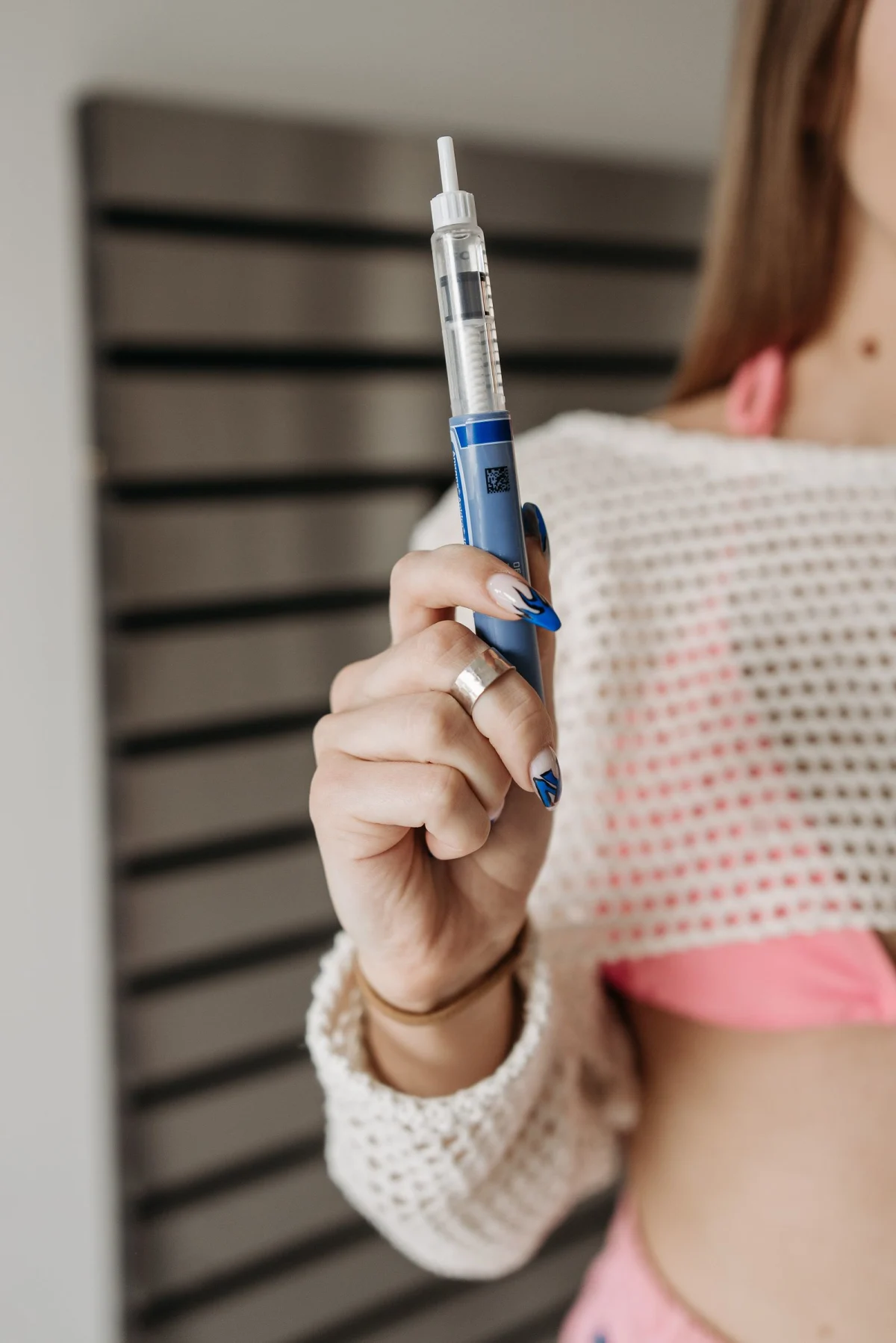
Practical differences are mostly about delivery. Both flagship drugs are once-weekly injections with a slow dose escalation over about four to five months. As of early 2026, Wegovy also exists as a once-daily pill in the United States, which matters for anyone who will not inject.
Side effects and safety: what the data shows
The common side effects are gastrointestinal and dose-related: nausea, vomiting, diarrhea, and constipation, usually worst during the months of dose escalation and often easing with time. Eating smaller, lower-fat meals and escalating slowly are the standard mitigations, and most discontinuations happen early.
The rare but serious risks deserve plain language. Pancreatitis and gallbladder disease occur at low rates. All peptide GLP-1 drugs carry a boxed warning about thyroid C-cell tumors, based on tumors seen in rodents; it is not known whether they cause these tumors in humans, but the drugs are contraindicated in anyone with a personal or family history of medullary thyroid carcinoma or the MEN 2 syndrome.
The risk that gets too little attention is muscle loss. Trial subsets suggest 25–40% of lost weight can be lean mass when people lose weight rapidly without countermeasures. Less muscle means a lower resting metabolism and, for older adults, a real sarcopenia concern. The evidence-backed prevention is unglamorous: protein around 1.6–2.2 grams per kilogram of body weight per day, and resistance training three to five times per week. If you are building that habit, our winter running guide covers training through Canadian conditions, and strength work pairs with it well.
The pill era: oral GLP-1 options in 2026
Until late 2025, "oral GLP-1" meant Rybelsus, a diabetes pill with modest weight effects and an annoying fasting ritual. That changed twice in four months.
First, on December 22, 2025, the FDA approved a 25 mg once-daily oral semaglutide specifically for weight management, essentially Wegovy as a pill. Novo Nordisk launched it in the US in January 2026. In the OASIS 4 trial it produced 16.6% mean weight loss at 64 weeks among participants who stayed on treatment. It is the same molecule, so the same fasting ritual applies: empty stomach, small sip of water, nothing else for 30 minutes.
Second, on April 1, 2026, the FDA approved orforglipron (brand name Foundayo), the first small-molecule, non-peptide oral GLP-1 agonist. Because it is a small molecule rather than a peptide, it needs no absorption enhancer and no fasting: one tablet daily, with or without food. The ATTAIN-1 trial showed 11.2–12.4% mean weight loss at the highest dose over 72 weeks, with over half of participants losing at least 10%. Self-pay pricing in the US starts at $149 per month for the lowest dose. The UK followed with MHRA authorization on August 10, 2026.
Early data on switching is encouraging: the OCTANE study, presented in October 2026, found that adults who moved from injectable semaglutide or tirzepatide to the oral Wegovy pill lost an additional 4.1% of body weight over three months rather than regaining.
What is coming next
The pipeline is not standing still. Retatrutide, Lilly's triple agonist (GLP-1 plus GIP plus glucagon), posted Phase 3 results of up to 28.7% average weight loss in the TRIUMPH-4 trial, and Lilly plans to file for US approval in early 2027. CagriSema, Novo Nordisk's amylin-plus-GLP-1 combination, showed 14.2% weight loss in the REIMAGINE 2 readout of February 2026. None of these are available yet, and Phase 3 success does not guarantee approval, but the direction is clear: more potent and more convenient.
The Canadian picture: approval and access
Canada's GLP-1 market looks different from the American one, mostly in price and coverage rather than in which drugs exist. Approved and available as of October 2026: Ozempic (diabetes), Wegovy (weight management), Rybelsus (oral, diabetes), Mounjaro (diabetes), Zepbound (weight management, approved May 13, 2025, in pharmacies from July 2025), and Saxenda (weight management). The Ozempic shortage that defined 2023–2024 was resolved as of January 2025. One gap remains: neither oral GLP-1 option approved in 2026 (the daily Wegovy pill, orforglipron) was authorized for sale in Canada as of October 2026.
The genuinely Canadian development of 2026 is generic semaglutide. Canada became the first G7 country to approve a generic version: Dr. Reddy's generic reached pharmacies in May 2026 at roughly $100 per month, and on June 29, 2026, Health Canada approved Sevmia, the first generic semaglutide licensed specifically for weight management rather than diabetes. Under the pan-Canadian Pharmaceutical Alliance framework, first generics typically price 75–85% below the brand, which is why analysts have floated $40–80 per month as the plausible floor.
Coverage remains the hard part. Provincial drug plans cover GLP-1s for type 2 diabetes but almost never for weight loss alone, and private insurance is inconsistent plan by plan. If the money side is your main question, that is a whole separate guide, and the numbers deserve their own careful treatment.
Practical next steps
- Start with your doctor, not the internet. Eligibility generally centers on BMI (30+, or 27+ with a weight-related condition) plus a review of contraindications like thyroid cancer history and pancreatitis risk.
- Price your specific situation before you commit. Ask your prescriber and pharmacist what your province and private plan actually cover, and at which dose. Costs vary enormously by dose and pharmacy.
- Build the muscle-preservation plan on day one. Set a daily protein target, start resistance training two to three times per week, and treat both as part of the prescription rather than optional extras.
- Plan for the long term. Most people who stop regain most of the weight within a year. Go in with a maintenance strategy, not just a loss target.
- Avoid grey-market supply. Counterfeit and compounded products proliferate around expensive drugs. Importing from US pharmacies for personal use without authorization is not legal under the Food and Drugs Act, and the resolved shortage removed the main excuse.
- Price the whole year before you start. Ask your pharmacist for the cash price at each dose step, confirm coverage in writing, and budget for at least twelve months.
The bottom line
On the evidence available in October 2026, tirzepatide (Zepbound/Mounjaro) produces more average weight loss than semaglutide (Wegovy/Ozempic), a gap now confirmed head-to-head rather than inferred across trials. Wegovy counters with the strongest cardiovascular evidence and a new daily pill; Zepbound counters with the sleep-apnea indication. The oral era has begun with orforglipron, and retatrutide is coming into view for 2027. In Canada, all the major injectables are available, generics are driving prices down, and coverage for weight loss remains the exception rather than the rule. Whichever direction the science goes next, the drugs work best, and most safely, paired with protein, resistance training, and a doctor who is actually following your labs.
Sources
- https://lolahealth.com/blogs/longevity/retatrutide-vs-semaglutide-comparison
- https://onedaymd.aestheticsadvisor.com/2026/10/ozempic-vs-wegovy-vs-mounjaro-zepbound.html
- https://www.peptidedeck.com/blog/wegovy-vs-mounjaro
- https://www.healio.com/news/endocrinology/20260721/bariatric-surgery-tied-to-higher-weight-loss-than-wegovy-zepbound-in-realworld-setting
- https://medicalxpress.com/news/2026-06-tirzepatide-glp-medication-effective-weight.pdf
- https://www.medscape.com/viewarticle/prescribing-orforglipron-obesity-2026a1000b2n
- https://www.patientcareonline.com/view/fda-approves-orforglipron-first-oral-glp-1-receptor-agonist-for-weight-loss-with-no-food-or-water-restrictions
- https://lifesciencedaily.news/oral-glp-1-weight-loss-pills-vs-injectables-in-2026/
- https://patient.info/features/treatment-medication/foundayo-pill
- https://www.middlewaynutrition.com/glp-1/glp-1-in-canada
- https://www.benefitsandpensionsmonitor.com/benefits/pharma/wegovy-pill-keeps-weight-coming-off-after-patients-drop-the-needle-study/394229
- https://www.benefitsandpensionsmonitor.com/benefits/pharma/a-40-obesity-drug-could-soon-land-in-your-benefits-plan/393498
Quick answers
Frequently asked questions
01
Which is more effective for weight loss, Wegovy or Zepbound?
In clinical trials, Zepbound (tirzepatide) produced more average weight loss than Wegovy (semaglutide): about 20.9% of body weight at 72 weeks versus about 14.9% at 68 weeks. The SURMOUNT-5 head-to-head trial confirmed the gap, with tirzepatide delivering 47% greater relative weight loss than semaglutide. Real-world results are lower for both drugs than trial results.
02
What is the difference between Mounjaro and Zepbound?
There is no difference in the active ingredient: both are tirzepatide made by Eli Lilly. Mounjaro is approved for type 2 diabetes, while Zepbound is approved for chronic weight management (and for obstructive sleep apnea in adults with obesity). The distinction matters for insurance coverage, which is usually tied to the approved indication, not the molecule.
03
Are Wegovy and Zepbound available in Canada?
Yes. Wegovy has been available in Canada for weight management for several years, and Zepbound was approved by Health Canada on May 13, 2025, reaching pharmacies in July 2025. Mounjaro is approved in Canada for type 2 diabetes. Coverage for weight-loss use remains rare under provincial plans and inconsistent under private insurance.
04
Do GLP-1 drugs cause muscle loss?
They can. Trial data suggests 25 to 40 percent of lost weight on GLP-1 drugs can be lean mass (muscle, water, and organ tissue) if nothing is done to prevent it. The countermeasure is well supported: higher protein intake (roughly 1.6 to 2.2 grams per kilogram of body weight per day) plus resistance training three to five times per week.
05
What are the most common side effects of GLP-1 drugs?
Nausea, vomiting, diarrhea, and constipation are the most common, usually worst during dose escalation and often easing over time. Rare but serious risks include pancreatitis, gallbladder problems, and (from rodent studies) thyroid C-cell tumors, which carry a boxed warning on peptide GLP-1 labels.
06
Is there a GLP-1 pill instead of injections in 2026?
Yes, in some countries. The FDA approved a once-daily oral Wegovy pill in December 2025 and orforglipron (Foundayo), a small-molecule oral GLP-1 with no food restrictions, in April 2026. Neither oral option was authorized for sale in Canada as of October 2026.