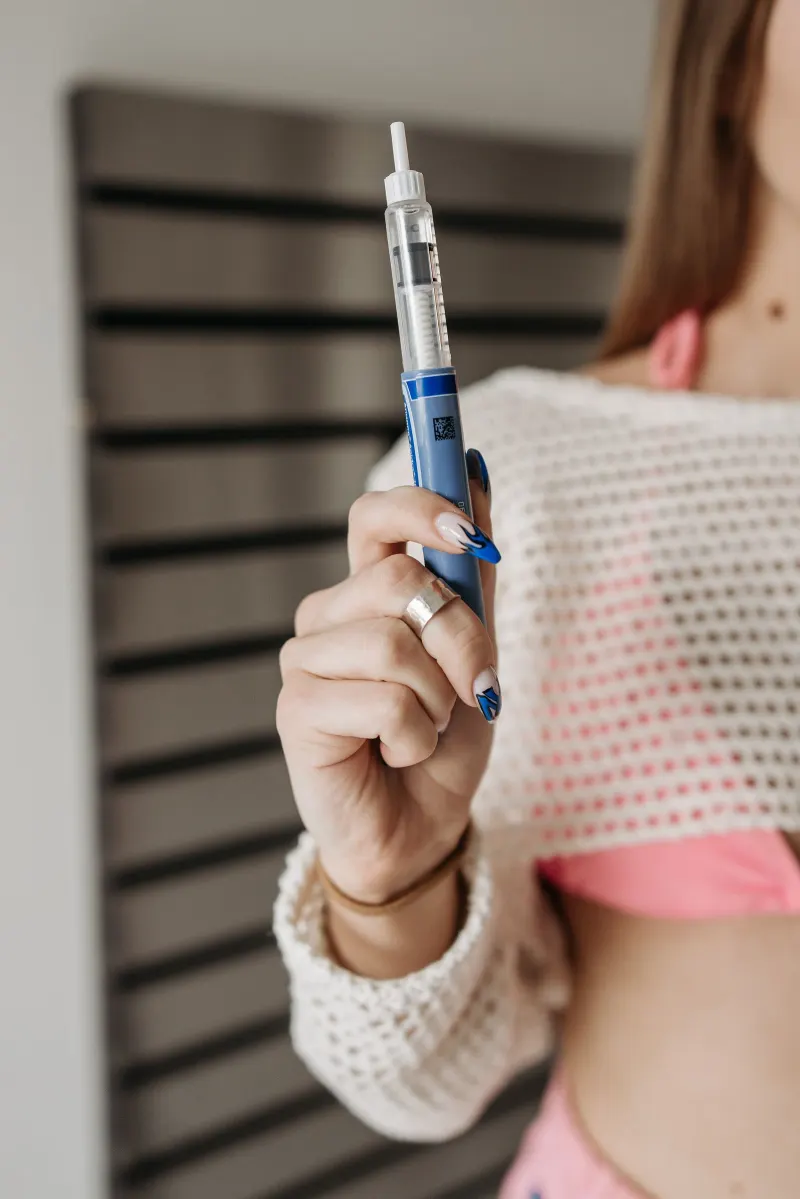
The medical case for GLP-1 drugs is settled enough. The financial case is where most Canadians get stuck. A year of Wegovy at brand prices can cost more than a used car, provincial drug plans draw a hard line between diabetes and obesity, and private coverage is a lottery that depends on which plan your employer happened to buy.
This guide lays out what each drug actually costs in Canadian dollars as of October 2026, what public and private plans cover, and the legitimate ways to pay less, including the generic semaglutide that changed the math this year.
Health and financial information, not advice. This article is general information for readers in Canada, current as of October 2026. Drug prices vary by pharmacy, dose, and province. Coverage rules change. Confirm costs and coverage with your pharmacist, insurer, and prescriber before making decisions.
Key takeaways
- Canadian cash prices are far below US list prices. Wegovy runs roughly $400–570 CAD per month in Canada versus $1,300–1,600 USD in the States; Zepbound is roughly $300–540 CAD here versus about $1,086 USD there.
- Generic semaglutide reset the floor in 2026. Generics reached Canadian pharmacies in May 2026 at roughly $100 per month, and Health Canada approved Sevmia, a generic licensed for weight management, on June 29, 2026.
- Provincial plans cover diabetes use, almost never weight-loss use. Ontario, Quebec, and other provinces pay for GLP-1s prescribed for type 2 diabetes; obesity-only prescriptions are generally excluded. Quebec's health technology agency explicitly declined to cover Wegovy, citing high costs and uncertain benefits.
- Private insurance is plan-by-plan. Fewer than 5% of weight-management patients at a large Canadian virtual clinic are fully covered. Always check your specific plan and ask about prior authorization.
- Prices vary by pharmacy and dose more than you would expect. Verified Ontario ranges span hundreds of dollars for the same drug, so shopping around is worth real money.
What GLP-1s actually cost in Canada right now
All figures below are approximate monthly cash prices in Canadian dollars, before any insurance, drawn from Canadian pharmacy pricing data and phone-verified Ontario ranges compiled in 2026. Your pharmacy may quote differently, and higher doses cost more.
Drug | Typical monthly cost (CAD) |
|---|---|
Ozempic (brand semaglutide) | $230–280 |
Generic semaglutide | ~$90–105 |
Wegovy (brand semaglutide) | $400–570 |
Mounjaro (tirzepatide) | $300–540 |
Zepbound (tirzepatide) | $300–540 |
Saxenda (liraglutide) | $350–600 |
Rybelsus (oral semaglutide, diabetes) | $354–365 |
A few things stand out. First, Mounjaro and Zepbound share pricing because they are the same molecule from the same manufacturer, and both benefited from a Lilly price cut in December 2025. Second, the verified ranges are wide: one Ontario price-tracking project found Zepbound quoted anywhere from $158 to $649 per month depending on dose and pharmacy, and Mounjaro from $326 to $650. That spread is not a rounding error; it is a reason to call more than one pharmacy. Phone-verified Ontario quotes put Wegovy at $431 to $493 including dispensing fees, for example. Third, Rybelsus, the older oral semaglutide for diabetes, remains oddly expensive per month relative to its modest weight effect, which is one reason the new oral options are generating so much interest.

The generic earthquake: semaglutide for around $100 a month
The single biggest cost story of 2026 is generic semaglutide. Canada became the first G7 country to approve a generic version of the molecule behind Ozempic and Wegovy, with Dr. Reddy's product reaching pharmacy shelves in the week of May 19, 2026, at roughly $100 per month. Eight more generic submissions were under review at the time.
Then, on June 29, 2026, Health Canada approved Sevmia, the first generic semaglutide licensed specifically for weight management rather than diabetes. That distinction matters because coverage and prescribing rules often hinge on indication.
How low can it go? Under the pan-Canadian Pharmaceutical Alliance pricing framework, the first generic typically prices 75–85% below the brand name, which is why analysts have suggested $40–80 per month as a plausible floor once competition arrives. That would turn a $5,000-plus annual drug bill into something comparable to a monthly transit pass, and it is already changing the conversation in employer benefits plans about whether to cover obesity medications at all.
One caution: generic availability does not automatically mean generic coverage. Formularies update on their own schedules, and some plans still require the brand or impose their own rules.
What provincial plans cover (and what they do not)
Canada has no single drug plan; each province runs its own formulary, but the pattern on GLP-1s is remarkably consistent nationwide.
The diabetes/weight-loss line. Provincial plans cover GLP-1 medications prescribed for type 2 diabetes and generally do not cover them prescribed for weight loss alone. In Ontario, Ozempic and Rybelsus are listed for diabetes under Limited Use criteria; Wegovy, Zepbound, and Saxenda for weight management are not on the Ontario Drug Benefit formulary. OHIP itself does not cover most prescriptions for the general public at all.
Quebec said no explicitly. Quebec's health technology assessment body reviewed Wegovy and declined coverage, with its research institute citing high costs and uncertain benefits, a decision covered by CTV News. That sets the tone for how other provinces view the cost-benefit question.
Trillium helps, but only on the diabetes side. Ontario's Trillium Drug Program covers high prescription costs for households without sufficient private insurance, with an annual deductible of roughly 4% of household after-tax income. But it only covers drugs on the provincial formulary or eligible through Limited Use codes, so a GLP-1 prescribed solely for weight loss does not qualify, while the same molecule prescribed for diabetes might.
The territories and federal programs have their own rules, and details for specific drugs under programs like Non-Insured Health Benefits change periodically, so members should check current coverage directly rather than relying on general guides.
The practical upshot: if you are counting on a provincial plan to fund weight-loss treatment, you will very likely be disappointed. Budget for self-pay unless you have confirmed otherwise in writing.
Private insurance: the plan-by-plan lottery
Most Canadians with drug coverage get it through an employer plan administered by an insurer such as Canada Life, Sun Life, or Manulife. Whether your plan covers Wegovy or Zepbound depends on choices your employer made when buying the plan, not on any national rule.
The general pattern, confirmed by Canadian benefits reporting:
- Diabetes-indicated drugs (Ozempic, Mounjaro prescribed for type 2 diabetes) are more likely to be covered, often with a standard copay.
- Weight-loss-only drugs (Wegovy, Saxenda, Zepbound for obesity) are less likely to be covered and frequently require prior authorization, where your doctor submits paperwork demonstrating medical necessity.
- Some employers explicitly exclude obesity medications as "lifestyle drugs," a category decision you cannot appeal on medical grounds alone.
The scale of the gap is striking: Felix, one of Canada's largest virtual weight-management clinics, reports that fewer than 5% of its weight-management patients are fully covered by insurance. That means the overwhelming majority are paying cash, using generics, or going without.
How to check your own coverage: read your benefits booklet, log in to your insurer's portal and search the drug by name, call the insurer and ask specifically about coverage "for the weight-management indication" and whether prior authorization applies, and ask your pharmacist to run a coverage check. Do all of this before filling the prescription, not after.
US prices and programs, for context
American list prices make Canadian prices look restrained: Zepbound lists around $1,086 USD per month and Wegovy around $1,300–1,600 USD. Part of the gap is structural: Canada's Patented Medicine Prices Review Board constrains what patentees can charge for brand-name drugs, and provincial negotiations push further. But almost nobody in the US pays list either. Manufacturer direct programs (LillyDirect for tirzepatide products, NovoCare for semaglutide products) and savings cards bring many patients into the $25–499 USD range depending on the channel, and the new oral orforglipron starts at $149 USD per month self-pay for the lowest dose.
Two warnings for Canadians eyeing the border. First, those US programs are generally for US residents. Second, importing prescription drugs from US pharmacies for personal use without proper authorization is not legal under Canada's Food and Drugs Act. With Canadian prices already far lower and generics available domestically, the cross-border arbitrage that tempted people in 2023 makes little sense in 2026.
Five legitimate ways to pay less
- Ask about generic semaglutide. At roughly $100 per month, it is the cheapest legitimate entry point by a wide margin. Ask your prescriber whether it fits your situation and indication.
- Work the prior-authorization process. If your private plan covers obesity drugs with conditions, a thorough prior-auth submission from your doctor, documenting BMI, comorbidities, and prior attempts, is often the difference between denial and approval. Denials can be appealed.
- Check Trillium and provincial catastrophic coverage. If your household drug costs are high relative to income and the drug is formulary-eligible for your indication, Trillium's income-based deductible can cap your annual exposure.
- Shop pharmacies and mind the dose curve. Verified prices for the same drug vary by hundreds of dollars between pharmacies, and costs rise with dose. Ask your pharmacist for the price at each step of your titration schedule, not just the starting dose.
- Use the tax system. Prescription drugs are generally eligible medical expenses for the federal medical expense tax credit, which reduces tax owing once eligible expenses pass an income-tested threshold. 2026 federal medical expense tax credit minimum threshold amount. Keep every pharmacy receipt; our year-end money checklist covers organizing medical expenses before December 31.
A note on compounded products: with the Ozempic shortage resolved since January 2025, the legal basis for compounded GLP-1s has narrowed considerably, and regulators have moved against sellers. The discounts are real but the quality oversight is not equivalent to approved products.

Practical next steps
- Get the prescription conversation and the money conversation in the same week. Ask your doctor what they would prescribe, then ask your pharmacist what it costs at your dose and what your plan covers.
- Run the coverage checks in order: insurer portal, phone call to the insurer, pharmacist coverage check. Get answers in writing where you can.
- Price the generic explicitly. Ask: "What would generic semaglutide cost me monthly, and is my indication covered?"
- Budget for at least a year. These are chronic therapies; stopping usually means regaining most of the weight within a year. A price you can sustain beats a price you can afford for three months.
- Revisit coverage annually. Formularies change, generics expand, and employer plans renew. A drug that was excluded last year may be covered this year.
- Compare the drugs themselves on the evidence. Efficacy, side-effect profiles, and dosing schedules differ meaningfully between semaglutide and tirzepatide products, so choose the molecule before you optimize the price.
The bottom line
In Canada in 2026, expect to pay roughly $400–570 per month for brand Wegovy, $300–540 for Zepbound or Mounjaro, and around $100 for generic semaglutide, with wide pharmacy-to-pharmacy variation. Provincial plans will cover the diabetes indication and almost certainly will not cover weight loss; private insurance is a plan-by-plan question where fewer than one in twenty weight-management patients is fully covered. The arrival of generics is the best news in this story in years, and the combination of generic pricing, pharmacy shopping, prior authorization, and the medical expense tax credit is how most Canadians will actually afford these drugs. Price the whole year, not the first pen, before you start.
Sources
- https://www.middlewaynutrition.com/glp-1/glp-1-in-canada
- https://glp1prices.ca/blog/zepbound-canada-price-availability-2026
- https://teletest.ca/blog/comparing-ozempic-wegovy-mounjaro-saxenda-rybelsus-for-weight-loss/
- https://kamahealth.ca/blog/weight-loss-medication-covered-by-insurance/
- https://www.vivahealthpharmacy.com/understanding-the-trillium-drug-program/
- https://www.benefitsandpensionsmonitor.com/benefits/pharma/a-40-obesity-drug-could-soon-land-in-your-benefits-plan/393498
- https://www.benefitsandpensionsmonitor.com/benefits/pharma/wegovy-pill-keeps-weight-coming-off-after-patients-drop-the-needle-study/394229
- https://knowledgescribe.com/how-much-is-wegovy-without-insurance/
- https://www.findatopdoc.com/Expert/85023790-Jacob-Maslow/Wegovy-Zepbound-Mounjaro-Why-the-Bill-Is-the-Hardest-Part-A-Billing-Specialist-s-Guide?fbpage=default
Quick answers
Frequently asked questions
01
How much does Wegovy cost per month in Canada?
Brand-name Wegovy typically costs $400 to $570 CAD per month in Canada, with phone-verified Ontario pharmacy prices of $431 to $493 including dispensing fees. The exact amount depends on dose, pharmacy, and province. Generic semaglutide, available since May 2026, costs roughly $100 per month.
02
Does OHIP or the Ontario Drug Benefit cover Wegovy or Zepbound?
No, not for weight loss. Ontario's public plans cover GLP-1s such as Ozempic and Rybelsus for type 2 diabetes under Limited Use criteria, but Wegovy, Zepbound, and Saxenda prescribed for weight management are not on the formulary. The Trillium Drug Program likewise covers diabetes-indicated use, not weight-loss-only use.
03
Will my private insurance cover weight-loss drugs in Canada?
It depends entirely on your employer's plan. Insurers like Canada Life administer thousands of different group plans, and coverage for obesity medications varies plan by plan, often requiring prior authorization. Fewer than 5% of weight-management patients at Felix, a large Canadian virtual clinic, are fully covered by insurance.
04
Is generic semaglutide available in Canada?
Yes. Canada became the first G7 country to approve generic semaglutide in May 2026, with pharmacy prices around $100 per month. On June 29, 2026, Health Canada approved Sevmia, the first generic semaglutide licensed specifically for weight management rather than diabetes.
05
Why is Zepbound cheaper in Canada than in the US?
Canadian list prices are set under a different system: the Patented Medicine Prices Review Board constrains brand-name prices, and provincial price negotiations apply. Zepbound lists around $1,086 USD per month in the US versus roughly $300 to $540 CAD per month in Canada. US patients rarely pay list price either, thanks to manufacturer programs.
06
Can I claim GLP-1 drugs on my taxes in Canada?
Prescription drugs are generally eligible medical expenses for the federal medical expense tax credit, which can reduce tax owing once your total eligible expenses exceed an income-tested threshold. 2026 federal medical expense tax credit minimum threshold amount. Keep pharmacy receipts and confirm the current threshold with the CRA or your tax preparer.