
Key takeaways
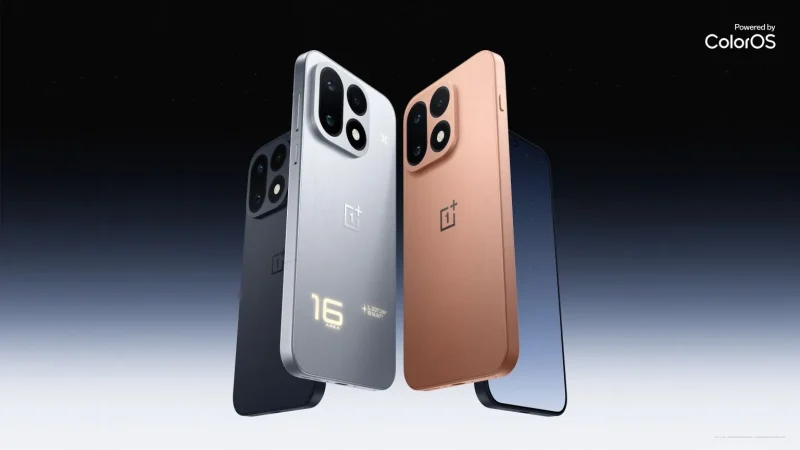
- The OnePlus 16 upgrades nearly every spec over the OnePlus 15: Snapdragon 8 Elite Extreme Gen 6, a 200MP main camera, a 9,000mAh battery, and 165Hz system-wide refresh rate.
- Against the OnePlus 13, the jump is two full generations: a much bigger battery, a far more capable camera array, and a meaningfully faster chip.
- The regressions are real: the China price jumped 50% (CNY 3,999 to CNY 5,999), wired charging slowed from 120W to 100W, and telephoto zoom stepped back from 3.5x to 3x.
- For OnePlus 15 owners, this is a skip. For OnePlus 13 owners, the hardware is tempting but the buying situation is not.
- The deciding factor for Canadians is not the spec sheet: OnePlus exited North America in 2026, so the OnePlus 16 cannot be bought officially in Canada at all.
OnePlus 16 vs OnePlus 15: side by side
These two phones are one generation apart, launched roughly a year apart in China, and the comparison is the one most OnePlus owners will actually make.
On performance, the 16 moves from the Snapdragon 8 Elite Gen 5 to the Snapdragon 8 Elite Extreme Gen 6, Qualcomm's 2nm flagship running up to 5.01GHz. It is the fastest mobile chip Qualcomm has shipped, and early benchmark positioning puts it ahead of everything else in Android phones this cycle. The 15's Gen 5 chip is no slouch, and in daily use (messaging, browsing, social media, streaming) you would struggle to tell them apart. The gap shows up in sustained gaming, on-device AI workloads, and future-proofing over a four-to-five-year ownership window.
The display story is a genuine improvement. Both phones use a 6.78-inch flat 1.5K LTPO OLED panel, but the 15 restricted its 165Hz refresh rate mostly to supported games, while the 16 runs 165Hz across the entire system UI and apps, with 185Hz reserved for gaming. That means the smoothness you paid for is now everywhere, not just in a handful of titles. The 16 also moves to BOE's newer X4 luminescent material with a dedicated P4 display chip and 3,840Hz PWM dimming.
Cameras are where the generational leap is clearest. The 15 shipped a 50MP main camera and a 50MP 3.5x telephoto; the 16 moves to a 200MP main sensor (1/1.4-inch, f/1.6) and a 50MP periscope on a much larger 1/1.95-inch Sony IMX882 sensor, though optical zoom steps back to 3x. The front camera jumps from 32MP to 50MP with autofocus. Both phones use OPPO's LUMO imaging rather than Hasselblad tuning, so the color science philosophy is consistent between them. We break the 16's camera down in detail in our camera explainer.
Battery is the 16's signature upgrade: 9,000mAh versus 7,300mAh on the 15, a roughly 23% capacity increase and the largest battery ever in a OnePlus flagship. OnePlus claims 80% battery health retention after five years and up to 23.8 hours of video playback. The trade-off is charging speed: wired charging drops from 120W to 100W, stretching a full charge from about 40 minutes to roughly 52 minutes, with 80% in about 37 minutes. Both phones keep 50W wireless charging, and the 16 adds 27W wired reverse charging.
Then there is the price. In China, the 16 starts at CNY 5,999 against the 15's CNY 3,999 launch price: a 50% jump, the largest single-generation increase in the brand's modern history. That price hike reframes the entire comparison.
OnePlus 16 vs OnePlus 13: two generations apart
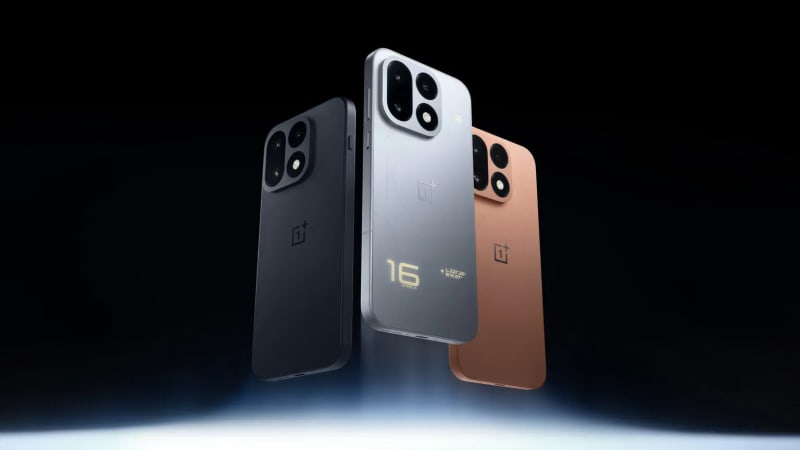
The OnePlus 13 launched in late 2024, so comparing it against the 16 means measuring two years of progress, and the gap is dramatic.
The 13 runs a Snapdragon 8 Elite, two generations behind the 16's Extreme Gen 6. Its 6.82-inch QHD+ display tops out at 120Hz, which felt premium in 2024 but is now merely standard. The camera system is a Hasselblad-tuned triple 50MP setup with a Sony LYT-808 main sensor: excellent in its day, with the Hasselblad color science that many OnePlus fans still miss, but outgunned by the 16's 200MP main sensor and larger periscope on raw hardware.
Battery is the starkest difference. The 13's 6,000mAh cell was competitive in 2024; the 16's 9,000mAh silicon-carbon battery is 50% larger. That is not an incremental improvement, it is a different class of endurance. Charging is a wash on paper (both do 100W wired and 50W wireless), though the 13 never had the 15's 120W speeds to lose.
Durability ratings have expanded too: the 13 carries IP68 and IP69, while the 16 adds IP66 and IP69K to the list. Software is another consideration: the 13 launched on Android 15-era software and is aging through its update window, while the 16 ships with Android 17-based ColorOS 17.
For a OnePlus 13 owner, the 16 represents the kind of leap that used to justify upgrades every two years: meaningfully better in every category that matters. Which makes the availability situation all the more frustrating, as we will get to.
What got better
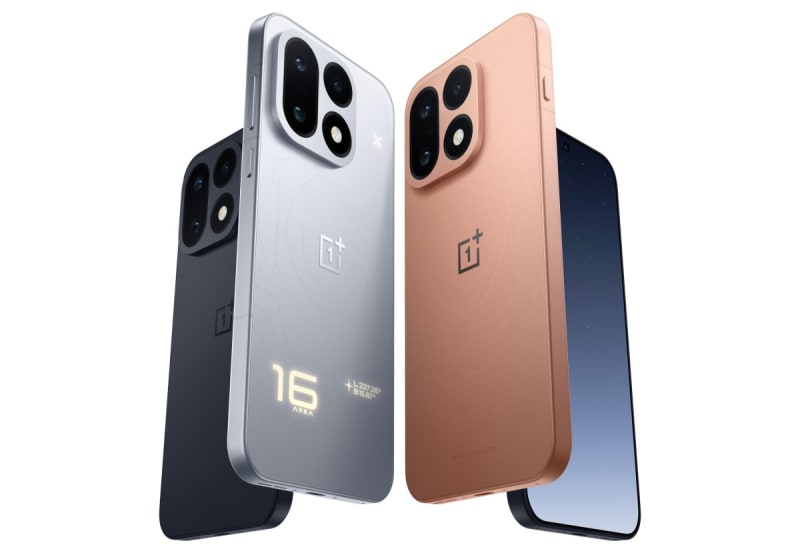
Pulling the improvements together across both comparisons, the OnePlus 16's wins are concentrated in four areas.
First, performance. The Snapdragon 8 Elite Extreme Gen 6 is a genuine generational leap: a 2nm process, clocks up to 5.01GHz, and the strongest sustained-performance story Qualcomm has told in years. For mobile gamers and anyone who keeps a phone for four-plus years, this is the single most future-proof Android chip available in late 2026.
Second, the camera hardware. The 200MP main sensor, the larger 1/1.95-inch periscope sensor, and the 50MP autofocus front camera are all substantial upgrades over both the 15 and the 13. Whether LUMO processing lives up to the hardware is the open question, but the raw ingredients are flagship-grade.
Third, the battery. 9,000mAh with a five-year health claim (80% capacity retention) is the standout spec of the entire phone. OnePlus claims 23.8 hours of video playback and 8.1 hours of heavy gaming. If those figures hold in independent testing, this is the endurance champion of the 2026 flagship class.
Fourth, the display experience. System-wide 165Hz, the newer BOE X4 panel material, 3,840Hz PWM dimming, and TÜV Rheinland Eye Comfort 6.0 certification add up to a screen that is smoother and easier on the eyes than either predecessor.
What got worse
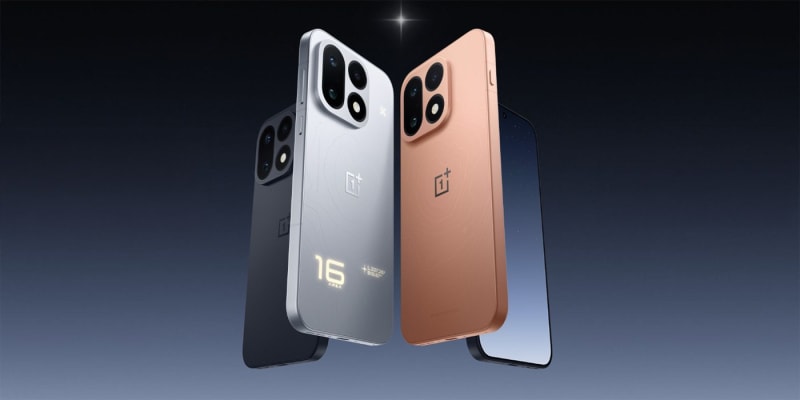
No phone is all upside, and the 16 has real regressions worth naming.
The price is the big one. A 50% year-over-year increase in China takes the OnePlus 16 from CNY 3,999 to CNY 5,999, moving it from upper-midrange flagship territory into direct competition with the Galaxy S26 Ultra and iPhone 18 Pro Max on price. The flagship-killer value proposition that defined OnePlus is gone. We analyze what that means in our price-hike breakdown.
Wired charging got slower. The 15's 120W charging was a genuine differentiator; the 16's 100W is merely fast. A full charge takes roughly 52 minutes versus about 40 on the 15. With a 9,000mAh battery to fill, the slower speed is felt more, not less.
Telephoto zoom stepped back from 3.5x to 3x. The larger sensor behind the lens is arguably a better trade, but if you bought the 15 partly for its longer reach, the 16 gives you less of it.
The USB-C port reportedly dropped from USB4 on the 15 to USB 3.2 Gen 1 on the 16, which matters for anyone who moves large video files over a cable. And the software situation keeps evolving in a direction some long-time fans dislike: OxygenOS is gradually being absorbed into ColorOS, a heavier skin that longtime OnePlus users did not sign up for.

Should OnePlus 15 owners upgrade?
No. This is the easiest call in the article.
The OnePlus 15 is one year old and remains an excellent phone: Snapdragon 8 Elite Gen 5, 165Hz display, 7,300mAh battery, 120W charging, and a capable 50MP camera system. The 16 is better in most areas, but the differences that matter in daily use (chip speed in non-gaming tasks, display smoothness, camera quality in good light) are incremental, not transformative.
The math does not work either. Upgrading after one year means absorbing the steepest depreciation on your 15 while paying the 16's 50% price premium. And in Canada, the question is moot: you cannot buy the 16 officially anyway.
The sensible play for OnePlus 15 owners is to keep the phone for at least another year, enjoy the software updates OnePlus has committed to for existing owners, and reassess when the next generation arrives. If your 15's battery is already degrading, a battery service (where available) costs a fraction of a new phone.
Should OnePlus 13 owners upgrade?
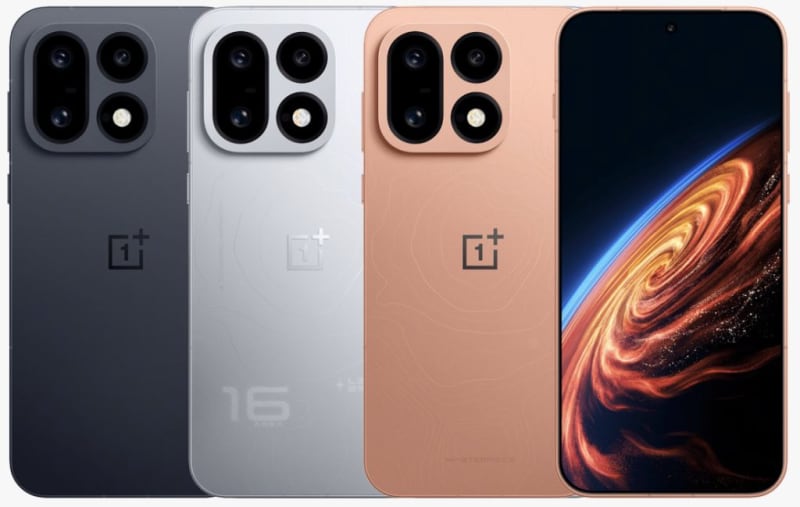
On hardware alone, yes, this is a defensible upgrade. Two generations of chip progress, a 50% larger battery, a much more capable camera system, and a smoother display add up to a phone that feels meaningfully newer in every interaction. If you bought the 13 at launch in late 2024, you are approaching the point where an upgrade starts to make sense on the normal two-to-three-year cycle.
But you cannot buy the OnePlus 16 in Canada, and importing one means no warranty, no carrier support, potential band incompatibilities, and grey-market pricing above the already-high China price. For a Canadian OnePlus 13 owner, the rational move is to look at what is actually sold here: the Galaxy S26 Ultra (CAD 2,049.99 for 256GB), the iPhone 18 Pro Max (CAD 1,899), or the Pixel 10 Pro XL (CAD 1,629). Our alternatives guide compares all five options head to head.
One more consideration for 13 owners: yours is the last OnePlus flagship generation with Hasselblad tuning. If you love the Hasselblad color science, the 16's LUMO processing will render the world differently. That is neither better nor worse objectively, but it is a change worth knowing about before you commit.
The Canada problem
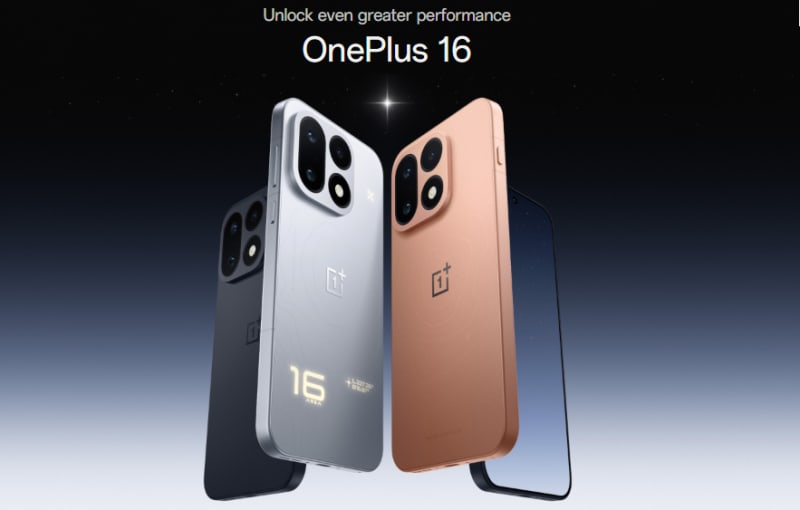
Every upgrade calculation above runs into the same wall: OnePlus withdrew from North America in July 2026, closing its North American forums that August and ending new phone sales across the US, Canada, and Europe. The company now focuses on China and India, and the OnePlus 16 is a China-only release.
For Canadians, this means no official sales, no carrier deals, no warranty service, and no guarantee of full band support on Rogers, Bell, or Telus networks. OnePlus has committed to continued software updates and service support for existing owners, with software gradually transitioning from OxygenOS to ColorOS, but that is support for phones you already own, not a path to buying new ones.
Importing a Chinese-market OnePlus 16 is technically possible through grey-market sellers, but it carries real costs: inflated pricing, no meaningful recourse if the phone fails, and a China-ROM software experience (ColorOS 17) rather than the global software OnePlus owners know. Our Canada import guide walks through the trade-offs in detail.
The honest summary: for Canadian OnePlus owners, the 16 exists as a fascinating phone you cannot buy. The upgrade question answers itself.

Practical next steps
- OnePlus 15 owners: keep your phone. It remains excellent, and the 16's gains do not justify a one-year upgrade cycle at a 50% price premium.
- OnePlus 13 owners in Canada: start your shortlist among phones actually sold here. Compare the Galaxy S26 Ultra, iPhone 18 Pro Max, and Pixel 10 Pro XL on the features you use daily.
- If your current OnePlus has a degrading battery, price a battery replacement before buying a new phone. It is almost always the cheaper fix.
- Do not import a OnePlus 16 on impulse. Read the import guide first and understand the warranty, band, and software trade-offs.
- If you are deciding based on cameras, read our OnePlus 16 camera explainer and wait for independent reviews before judging LUMO against the competition.
- For the full context on pricing and what the 50% hike means, see the end of the flagship killer.
The bottom line
The OnePlus 16 is better than the OnePlus 15 in most ways that matter and dramatically better than the aging OnePlus 13, but it costs 50% more, charges slower, and cannot be bought in Canada. For OnePlus 15 owners it is a clear skip; for OnePlus 13 owners the hardware tempts but the availability situation kills it. The real upgrade path for Canadians runs through Samsung, Apple, and Google.
Sources
- OnePlus 16 vs OnePlus 15 detailed comparison with battery and charging figures
- OnePlus 16 launch report with full specifications and China pricing
- OnePlus 16 camera and LUMO imaging specifications
- OnePlus 16 cheat sheet with telephoto and sensor analysis
- OnePlus 16 launch with 9,000mAh battery and 185Hz display
- OnePlus 16 official specs, features, and pricing
- OnePlus 16 launch analysis with 50% price increase context
- OnePlus withdrawal from North America and Europe
Quick answers
Frequently asked questions
01
Is the OnePlus 16 better than the OnePlus 15?
In most hardware areas, yes: a faster Snapdragon 8 Elite Extreme Gen 6 chip, a 200MP main camera, a 9,000mAh battery, and 165Hz system-wide refresh. But it costs 50% more in China and charges slower over cable.
02
Should I upgrade from the OnePlus 15 to the OnePlus 16?
Probably not. The OnePlus 15 remains a strong flagship one year on, and the 16's gains are incremental for most users. The bigger issue is that the 16 is not sold in Canada at all.
03
Should I upgrade from the OnePlus 13 to the OnePlus 16?
The hardware jump is large after two generations, but Canadian OnePlus 13 owners cannot buy the 16 officially. Consider a Galaxy S26 Ultra, iPhone 18 Pro Max, or Pixel 10 Pro XL instead.
04
What is the price difference between the OnePlus 16 and OnePlus 15?
In China, the OnePlus 16 starts at CNY 5,999 versus CNY 3,999 for the OnePlus 15, a 50% increase. Neither phone has official Canadian pricing since OnePlus exited North America.
05
Is the OnePlus 16 available in Canada?
No. OnePlus withdrew from North America in July 2026. The OnePlus 16 is a China-only release with no Canadian sales, warranty, or carrier support.