Every year since 2023 has been declared "the year of the AI gadget," and every year the gadgets disappointed: the Humane AI Pin flopped, the Rabbit R1 became a meme, and voice-first devices mostly proved that your phone was fine. 2026 is different. Not because some single device nailed it, but because the category finally split into two honest lanes: health wearables that quietly collect better data, and smart glasses that stopped pretending to be phones on your face.
Here are the AI gadgets of 2026 that are real products with real prices, what each one actually does, and which ones deserve your money.
Key takeaways
- The Fitbit Air ($99.99, launched May 2026) is the standout value: a screenless tracker with 7-day battery, heart-rhythm alerts, and AI health coaching.
- Meta's big move at Connect 2026 was privacy: camera-free audio-only smart glasses at $349, shipping October 13, answering the backlash against camera glasses.
- At the high end, Meta's Ray-Ban Display ($799) puts a screen in the lens controlled by a neural wristband, while Snap's standalone Specs AR glasses cost $2,195.
- Competition is finally pushing prices down: Meta launched $300 non-branded smart glasses in June 2026.
- Smart glasses remain an early-adopter category; fitness AI wearables are the mature, buy-now pick.
Fitbit Air: the $99 tracker that deletes the screen
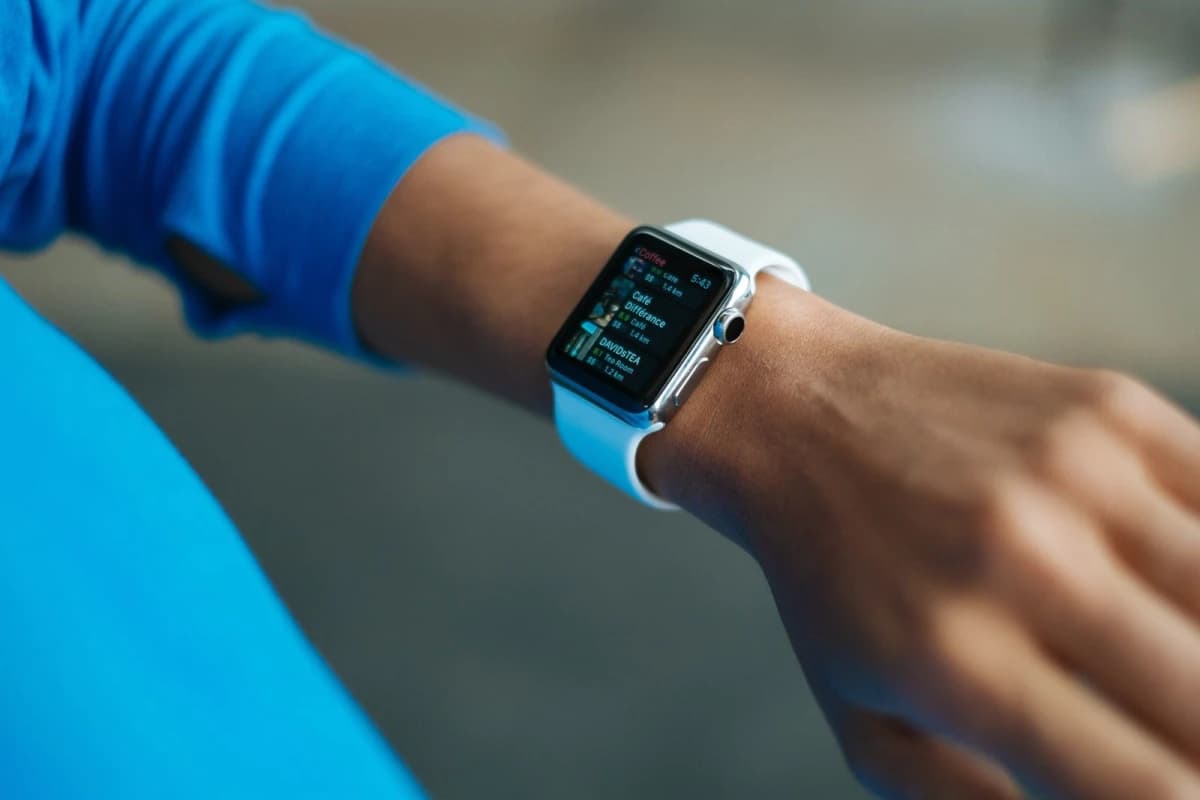
Google's Fitbit Air is the most interesting wearable launch of 2026, and it's real: it launched in the US in May 2026 at $99.99, then arrived in India on October 2 at Rs 13,999. The concept is a deliberate subtraction. The Air is a small sensor "pebble," Google's smallest and lightest Fitbit ever, with no screen at all. No notifications, no apps, no bright display buzzing at 2 a.m. It just tracks: 24/7 heart rate, resting heart rate, heart-rate variability, blood oxygen (SpO2), sleep stages, and irregular heart rhythm alerts including atrial fibrillation detection.
Everything syncs to the Google Health app on your phone (Android 11+ or iOS 16.4+), where Google's Health Coach, an AI-driven wellness system, turns the data into coaching. You can even log workouts by photographing gym equipment or a whiteboard routine, and the app's computer vision interprets it. Battery life is rated at up to 7 days, and a 5-minute fast charge delivers 24 hours of use. Every unit ships with a three-month trial of Google Health Premium.
Why it matters: the screenless design is a bet that the future of health wearables is invisible. It sits in an interesting gap between traditional Fitbits and subscription-heavy bands like Whoop: no screen, no monthly fee for the core product, and genuinely useful sensors. For anyone who wants sleep tracking without wearing a glowing rectangle to bed, this is the 2026 gadget to beat.
Canadian pricing and availability of the Fitbit Air as of October 2026. The US launch (May 2026, $99.99) and India launch (Oct 2026) are confirmed; Canada-specific launch details were not verified.
Meta's camera-free glasses: AI you can hear, not see
Meta's headline wearable reveal at Connect 2026, held in September at Menlo Park, was a pair of smart glasses with no camera. The audio-only glasses start at $349 and ship October 13, 2026. They keep the speakers, microphones, phone calls, music, live translation, and Meta's new Muse AI assistant, but drop the forward-facing camera entirely.
The timing is deliberate. Camera glasses have drawn global backlash over non-consensual filming, with critics dubbing them "pervert glasses," and privacy advocates have pushed back hard in 2026. Meta is clearly trying to defuse the issue: no camera means nothing to film anyone with, which makes the glasses socially acceptable in offices, gyms, and schools where camera wearables get banned. Meta's VP of AI product told AFP that making the recording indicator light explicit on camera models remains important, but the camera-free line sidesteps the argument entirely.
For buyers, the proposition is a discreet AI assistant you wear: ask Muse questions, get translations, take calls, and hear notifications, all without pulling out a phone and without anyone wondering if they're being recorded. At $349, it's cheaper than the camera versions and arguably the smarter buy for anyone whose main use case is the AI assistant rather than POV photography.

Meta Ray-Ban Display: the $799 future on your face
At the other end of Meta's lineup sits the Meta Ray-Ban Display, priced at $799 in the US. This is Meta's flagship: real smart glasses with a small digital display built into the lens, controlled by a neural wristband that reads electrical signals from your forearm muscles. You gesture subtly, the wristband interprets it, and the display shows messages, navigation, AI responses, and translations without you touching anything.
The Ray-Ban Meta Gen 2 line ($379) and the sport-focused Oakley Meta Vanguard ($499, IP67 dust and water resistance) fill out the middle of the range, with longer battery life, better cameras, and conversation-focus features that isolate a speaker's voice from background noise. Meta also launched plain "Meta Glasses" in June 2026 starting at $300, without Ray-Ban or Oakley branding, its first attempt at a lower price point in the category.
The display model is the one to watch because it's the first mass-market attempt at hands-free computing that isn't just voice. The wristband input solves the biggest smart-glasses problem: how do you interact with a screen nobody else can see? It's expensive and early, but it's the clearest signal of where Meta thinks this goes.
Meta VR Glasses: virtual reality without the brick
Also at Connect 2026, Meta unveiled VR Glasses: virtual reality capability packed into a lightweight, smart-glasses-style frame connected to a tethered compute puck instead of a bulky standalone headset. The idea is to make immersive computing socially wearable, something you might use through a workday rather than in dedicated gaming sessions, paired with Meta's AI features as a persistent ambient assistant layer.
Details on pricing and ship dates are thinner here than for the smart glasses line, which is typical for a platform-preview product. But the direction is notable: Meta is consolidating its bets on wearables as the primary form factor for AI interaction, not phones and not headsets. If you game in VR, the October 2026 game releases are worth a look alongside this hardware roadmap.
Pricing and availability details for Meta VR Glasses; only the form factor and Connect 2026 announcement were confirmed in sources.
Snap Specs: the $2,195 AR moonshot
Snap, of all companies, is swinging the biggest. Its new generation of smart glasses, called Specs, was announced in June 2026 and launches later this year at $2,195. The pitch: true augmented reality that projects digital objects onto your surroundings, with no smartphone pairing required. That's a fundamentally different product from Meta's AI glasses, which are mostly an assistant and camera in eyewear form.
At many times the price of anything Meta sells, Specs are a developer and enthusiast play, not a mainstream gadget. But they matter because they're the only credible standalone AR glasses with a ship date in 2026, and they'll set the benchmark for what "real AR" costs before Apple is rumored to enter the category in 2027.
Google's XR glasses: the quiet contender
Google announced in December 2025 that two pairs of AI smart glasses would launch in 2026: a screen-free model with Gemini, speakers, microphones, and cameras, and a second model with an in-lens display for directions and live translation captions. Both run Android XR, Google's wearables platform, connect to a smartphone for processing, and come from partnerships with Samsung, Warby Parker (backed by a $150 million Google partnership), and Gentle Monster.
Whether Google's XR smart glasses actually shipped in 2026. The December 2025 announcement targeted a 2026 launch, but shipping status as of October 2026 was not confirmed in sources consulted.
This is the one to watch for Android users. Meta dominates smart glasses today, but Google's distribution through Samsung and its Gemini integration could make 2027 the year the category gets genuinely competitive.
What to actually buy
Be honest about which lane you're in. If you want better health data with less phone addiction, the Fitbit Air at $99.99 is the clear 2026 pick: real sensors, real battery life, no subscription required for the core experience, and a price that undercuts every serious competitor. Pair it with a solid VPN for your health data syncing and you're set.
If you're curious about smart glasses, the camera-free Meta glasses at $349 are the rational entry point: you get the AI assistant experience without the social awkwardness or the premium price. The $799 Ray-Ban Display is for early adopters who want to live in the future six months early, and Snap's $2,195 Specs are for developers and the merely curious with deep pockets.
The through-line of 2026's AI gadgets is modesty. The winning devices stopped trying to replace the phone and started doing one thing well: track quietly, assist discreetly, display minimally. If you're waiting for Apple's foldable to shake up mobile hardware, that's a separate bet. For AI you can wear today, the screenless tracker and the camera-free glasses are the two that earned their place.
Practical next steps
- Fitness tracking: compare the Fitbit Air ($99.99 US) against a discounted Fitbit Charge or a Whoop subscription before buying; the Air wins if you hate screens and subscriptions.
- Smart glasses: try the category at the $300–$349 tier (Meta Glasses or the camera-free model) before considering the $799 display version.
- Privacy: if you buy camera glasses, learn the recording indicator light behavior and check local norms; some workplaces and gyms ban them outright.
- Timing: holiday sales historically discount wearables heavily; if you're not in a rush, November pricing on 2026 models is worth waiting for.
- Canadian buyers: confirm Canadian pricing, warranty, and cellular/band compatibility on Meta's and Google's official stores, since US pricing doesn't always map cleanly.
The bottom line
The coolest AI gadgets of 2026 aren't trying to be the next iPhone. The Fitbit Air proves subtraction is a feature, Meta's camera-free glasses prove the industry heard the privacy backlash, and the $799 display glasses and $2,195 Snap Specs are staking out the high end while prices fall at the bottom. Buy the tracker now; rent your curiosity about the glasses at the cheapest tier; and keep an eye on Google's XR entry, because the real smart-glasses war starts when Android shows up.
Sources
- https://www.gizmochina.com/2026/09/30/google-fitbit-air-launched-specs-price/
- https://gadgets.beebom.com/news/google-fitbit-air-launched-in-india-with-screenless-design-7-day-battery
- https://techxplore.com/news/2026-09-meta-camera-free-ai-glasses.html
- https://www.renascence.io/news/78430/meta-connect-2026-vr-glasses-lead-wearable-ai-push
- https://roadtovr.com/meta-announces-cheaper-smart-glasses-without-ray-ban-or-oakley-branding-starting-at-300/
- https://techxplore.com/news/2026-06-meta-glasses-wearables-competition.pdf
- https://www.digitaltrends.com/computing/metas-next-gen-ray-ban-and-oakley-smart-glasses-get-new-styles-and-2x-battery-life/
- https://www.geeky-gadgets.com/best-ai-glasses-awe-2026/
- https://www.macrumors.com/2025/12/08/google-ai-smart-glasses-2026/
Quick answers
Frequently asked questions
01
What is the Fitbit Air and how much does it cost?
The Fitbit Air is Google's screenless fitness tracker, launched in the US in May 2026 at $99.99. It's a small sensor "pebble" with no display that tracks heart rate, HRV, SpO2, sleep, and atrial fibrillation signs, syncing everything to the Google Health app. Battery lasts up to 7 days, and a 5-minute charge gives a full day of use.
02
What are Meta's camera-free AI glasses?
Unveiled at Meta Connect 2026, these are audio-only smart glasses with no camera, designed as a privacy-conscious alternative to camera glasses. They start at $349 and ship October 13, 2026, with speakers, microphones, and Meta's Muse AI assistant built in.
03
How much is the Meta Ray-Ban Display?
$799 in the US. It's Meta's top-end smart glasses model with a small in-lens display controlled by a neural wristband that reads muscle signals, letting you interact with AI and notifications without touching your phone.
04
What are Snap Specs and how much do they cost?
Snap's Specs are standalone augmented reality glasses launching in 2026 at $2,195. Unlike Meta's glasses, they don't need a paired smartphone and project digital objects directly onto the wearer's surroundings.
05
Are AI smart glasses available in Canada?
Availability varies by model. Meta's Ray-Ban Meta lineup has expanded across North America and launched in Japan in May 2026, with Canada included in Meta's planned expansion markets. Check Meta's official store for current Canadian pricing and stock before buying, since model availability changes quickly.
06
Is 2026 a good year to buy AI wearables?
For fitness tracking, yes: the Fitbit Air at $99.99 is genuinely new value. For smart glasses, the category is improving fast but still early; camera-free models address the biggest social concern, and prices are falling as competition heats up. Waiting for holiday-season pricing is reasonable if you're not an early adopter.